Akakura Kanko Ski Resort Guide
Akakura Kanko
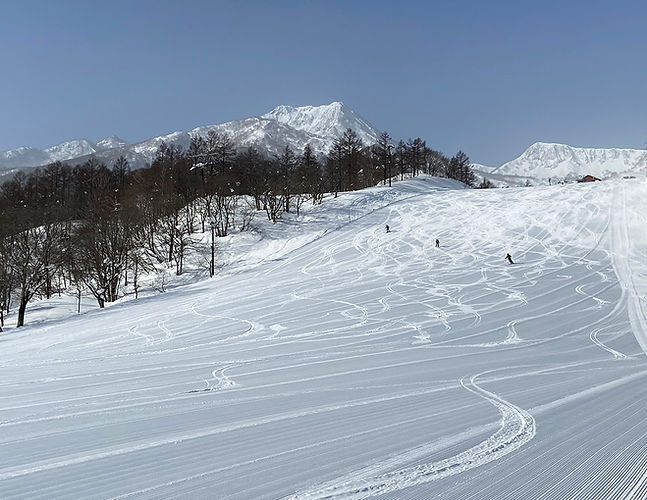
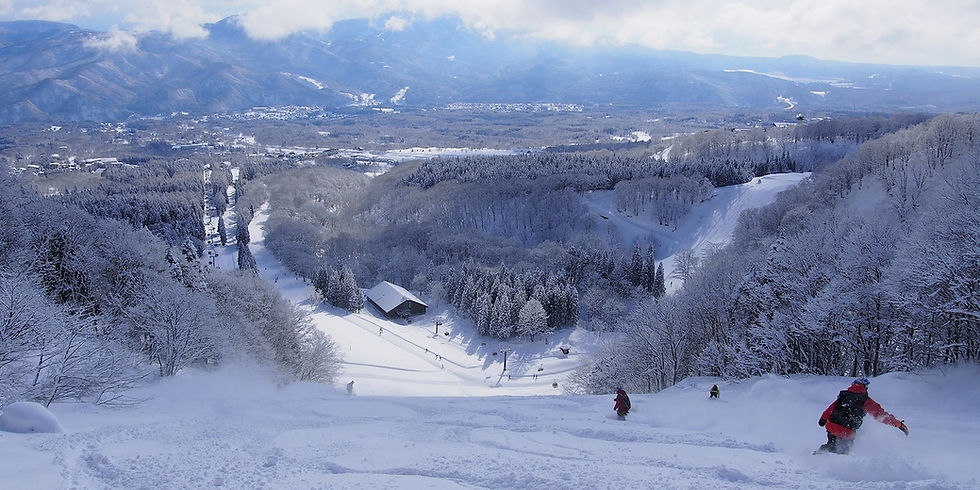
When the storms hit, the top lift holds light powder. On clear days, the view stretches to Lake Nojiri, Madarao, Shiga, and Nozawa.
Akakura Kanko is the more refined side of Myoko’s twin resorts. Sharing a joint lift pass with Akakura Onsen, Kanko offers a more spacious, open feel with well-managed slopes and some of the most scenic views in the region. The resort sits higher on the mountain and connects directly to the iconic Akakura Kanko Hotel. It appeals more to people looking for a relaxed, "premium" (compared to Akakura Onsen) experience.
Category | Score (1-10) |
|---|---|
Snow Quality | 9 |
Resort Size | 7 |
Groomed Runs | 8 |
Off-Piste | 8 |
Park Terrain | 7 |
Lift Infrastructure | 8 |
Lift Layout | 7 |
Beginner Friendly | 9 |
On Mountain Food Options | 8 |
Nightlife | 6 |
Access | 9 |
Value For Money | 8 |
Snow and Terrain
Akakura Kanko has some of the most consistent terrain in the Myoko area. The runs are longer than Akakura Onsen and the vertical drop gives a more complete top-to-bottom ride. It’s still not a steep mountain, but it’s more engaging and better suited to intermediate and advanced riders who want to open it up.
The resort is known for its wide groomers and open trees. On a powder day, the top half of the mountain holds deep snow and is a favourite for those who know where to look. The tree zones are well spaced and don’t require hiking or sidecountry access.
Snowfall is reliable and quality holds better here than Onsen thanks to slightly higher elevation and less sun exposure. The best riding is often found above the mid-station. Below that, things get flatter and more crowded, especially during weekends or holidays.
There’s usually a small terrain park with a few features, but it’s limited and not the focus of the resort.
It’s a good mountain for strong laps, deep snow, and fast cruising. While it doesn’t have extreme terrain, the combination of snow, pitch, and layout makes it one of the most well-balanced places to ride in the region.

Lift Tickets
Akakura Kanko and Akakura Onsen share a joint lift pass, which makes it easy to ski both resorts in a single day. Individual tickets are also available if you're sticking to one side.
2024–2025 Prices (Adult 1-Day):
-
1‑Day Ticket: ¥6,500
-
Also included in combined Akakura Joint Pass if riding both resorts
Season Pass:
The All Myoko Season Pass covers Akakura Onsen, Kanko, Ikenotaira, and Suginohara. It’s good value if you’re staying long-term or plan to ski more than 15–16 days.
Lessons and Rentals
English-language lessons are widely available in Akakura. Several foreign-run ski schools operate in town, making it easy for beginners and families. Prices have risen in recent years and are approaching western rates. Booking in advance is essential during holiday periods.
Rental shops are located throughout the village, offering powder skis, snowboards, and splitboards. Quality varies but most shops in Akakura are used to foreign customers and carry decent gear. If you are on a budget, renting outside the resort (for example in Joetsu or Nagano) will save money.
Night Skiing
Akakura Onsen is one of the few places in Myoko with night skiing. It runs on the lower lifts and is limited in size, but still fun for extra laps after dark. The snow stays soft, especially after stormy days.
Night skiing tip: Eat dinner first. Most restaurants close early and the village is quiet afterward.
Village and Vibe
Akakura village is the main tourist hub in Myoko. Most of the accommodation, restaurants, bars, and shops are located here. During peak winter, the village feels like a mini Australia, with English spoken everywhere and foreign-run lodges and businesses dominating the scene.
Expect a lively après vibe during January and February. Bars are small but packed, and the village has more nightlife than most ski towns in Japan.
Outside the peak season, the town slows down quickly and has a relaxed local atmosphere.
Accommodation
Most visitors stay in Akakura Onsen for easy access to lifts and the foreigner-friendly feel. There are a mix of hotels, lodges, ryokan, and a growing number of Airbnbs.
Some hotels include breakfast or dinner. Book early for January and February. If you want to support local businesses, look for Japanese-run accommodation rather than the more commercial foreign-owned stays.
Onsens and Local Spots
Akakura Onsen is named after its hot springs, and many accommodations include access to indoor baths. There are also a couple of public bathhouses open to visitors.
The natural hot spring water is sulfuric and known for easing tired muscles after a day on the slopes.
For a more rugged onsen experience, consider visiting nearby Tsubame Onsen or outdoor wild onsens if you have a car. Heads up, the outdoor "wild onsen" in Tsubame is not open during the winter (unless you take a shovel and are ok with cold water).
Dining and Bars
The food scene in Akakura is small but diverse. You’ll find izakaya, ramen, burgers, pizza, and hotpot options. Many restaurants are run by foreign owners or cater heavily to international guests.
Because of the small size of the village, restaurants fill up quickly. Booking ahead is essential during peak weeks.
For nightlife, several bars operate late into the evening, with pool tables, live DJs, or casual après drinks. Don’t expect massive clubs, but there’s enough to keep things fun.
Local tip: book your restaurant the night before and out of respect for the businesses and other hungry patrons, don't be late or cancel bookings on the day.
Access and Transportation
If you are staying in Akakura, you do not need a car. The village is walkable and both Akakura Onsen and Akakura Kanko lifts are easy to reach on foot.
If you plan to visit other resorts like Suginohara or Seki Onsen, consider renting a car or organizing transport. Shuttles do exist but are not cheap and don’t run often.
Transport to Myoko is covered in detail on the main Ski Myoko Guide page.
Local Tips
-
Wake up early after a storm and head to the top skiers right or lower skiers left of the resort
-
Buy your lift tickets through your lodge for possible discounts
-
Night skiing is fun but limited, treat it as a bonus not the main event
-
Choose accommodation within walking distance to lifts to avoid hassle
-
Book restaurants at least a day in advance and show up on time. Cancel well in advance out of respect for others
-
Buy ski gear before arriving to save money in Tokyo, Nagano City or Joetsu City
See Other Myoko Resorts